Systems Thinking
-
A Vision of the Future
A pointer to Stephen Wolfram's SXSW talk — a wide-ranging glimpse of the computational capabilities his firm is rolling out, and the enormous potential they hold for new kinds of software.
-
Why have Enterprise Architecture
A short video produced by Mastering Archimate and T36 that makes the case for why Enterprise Architecture matters — a useful resource for explaining the discipline to stakeholders.
-
Models for decision making
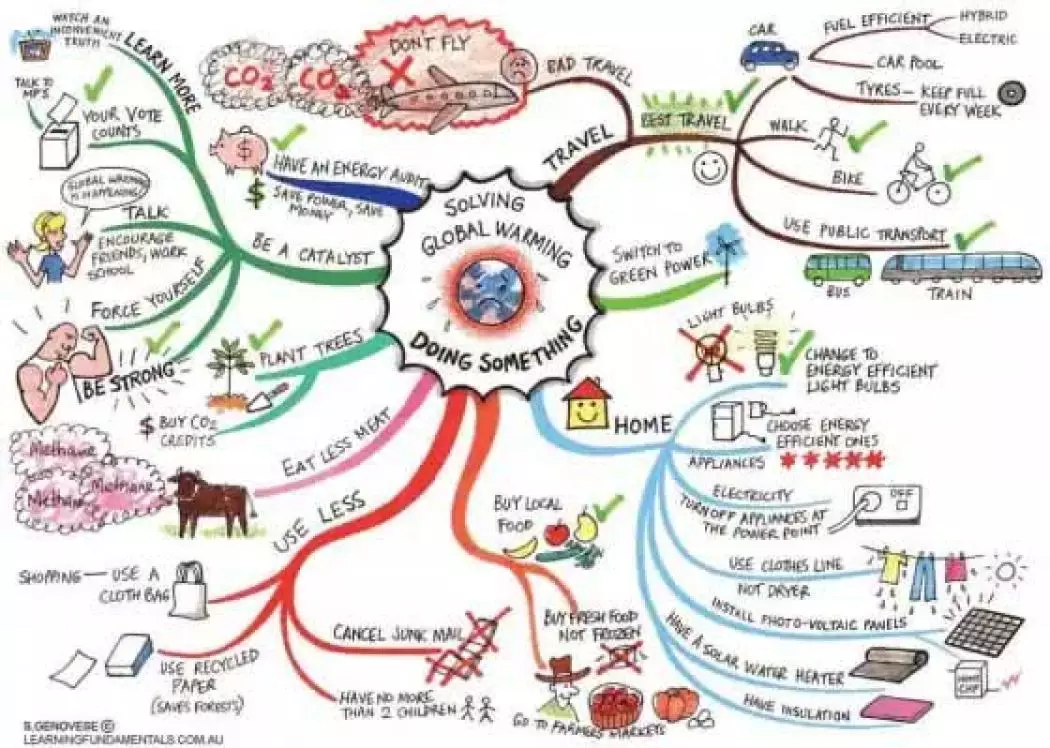
A look at decision-making techniques and the value of stepping back to see the full picture. Includes a fine mind map example from Learning Fundamentals on personal actions for reducing climate change impacts.
-
Solvay Conference 1911
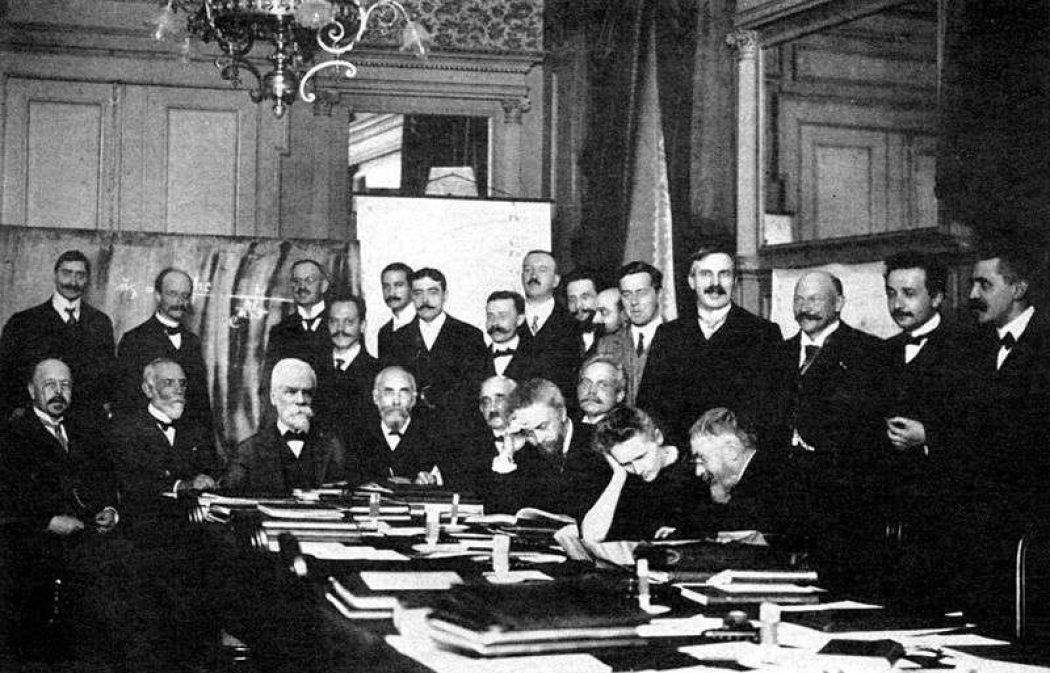
Mark Bernstein illustrates his argument by describing the photo of attendees at the first Solvay conference in 1911, which brought to my attention that so many these famous scientists were contemporaries.
-
Information Visualisation and Web Science
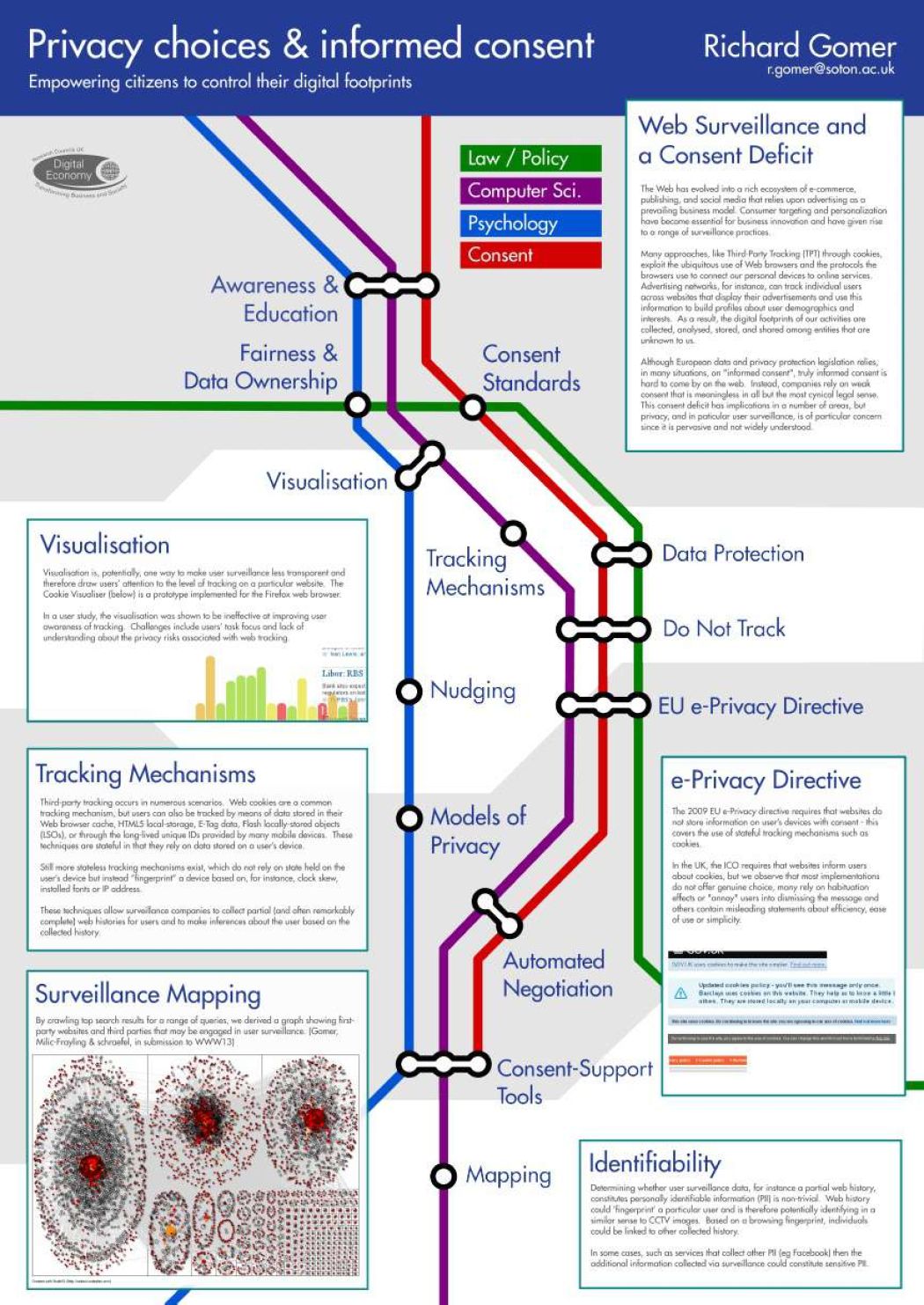
Very interesting diagrams to see at the Web Science Industry Forum Poster Session via Mark Bernstein.
-
Makers at work
Those Who Make is an extensive video series celebrating the work and philosophy of contemporary makers and craftspeople — well worth exploring for anyone drawn to the culture of skilled hand work.
-
Visualisation techniques
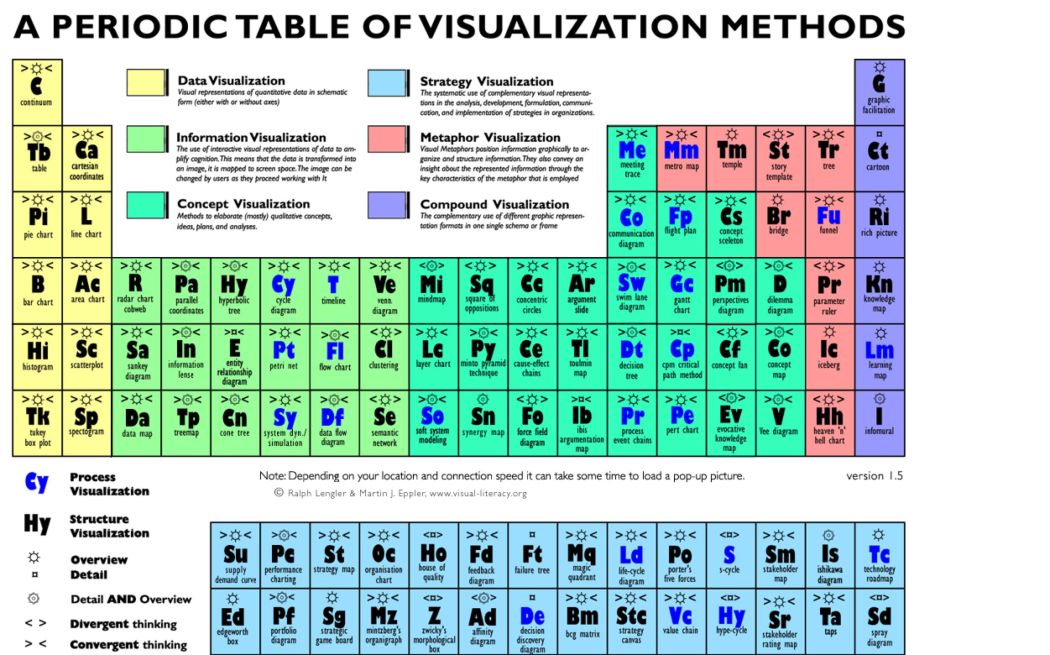
A link to an interactive periodic table of data visualisation techniques — a broad and surprising compilation, with many methods you won't have encountered before.
-
Chinas rising soybean consumption-reshaping-western-agriculture
A disturbing piece by Lester Brown: saving the Amazon rainforest now depends on curbing global demand for soybeans — which means both stabilising population and, for the world's more affluent people, eating significantly less meat.
-
Getting to the root of the problem
Excellent writing as usual from Monbiot, pointing to the underlying causes of the unfolding Eco crisis.
-
Challenges of creating for the web
A pointed comic from The Oatmeal on the realities of making things for the web — the gap between what creators intend and how the work is actually received. Painfully recognisable.
-
The failure of international politics
George Monbiot's response to the collapse of the Rio Summit is stirring and unsentimental: governments have abdicated responsibility for the planet. A companion piece explores Paul Kingsnorth's Dark Mountain project and its unflinching look at what comes next.
-
Elegant deep or beautiful explanations-at-edge-2012
Some fascinating ideas explored at the Annual Edge contributions for the most deep, elegant or beautiful explanation.
-
How to clean your apps permissions
A quick reminder to audit which third-party apps have access to your Gmail and LinkedIn accounts. It takes two minutes and is well worth the effort — you may find permissions you have no recollection of granting.
-
Uncloud local wireless networking
UnCloud is an intriguing step toward local wireless networking and Internet independence — a project worth exploring alongside Douglas Rushkoff's thinking on why reclaiming our digital infrastructure matters.
-
Solar sinter
Markus Kayser's Solar Sinter project uses sunlight, sand and 3D printing to produce glass objects in the desert — an astonishing demonstration of what becomes possible when you combine natural energy with open technologies.
-
Facebook and ads
This is right on the money - so to speak. If you pay for a product, you're a customer. If you don't, you're the product.
-
Dark Sky - how it works
A fascinating technical account of how the Dark Sky weather app was built — combining open-source tools, public radar data and clever numerical analysis to deliver hyperlocal rainfall predictions on an iPhone.
-
A book apart
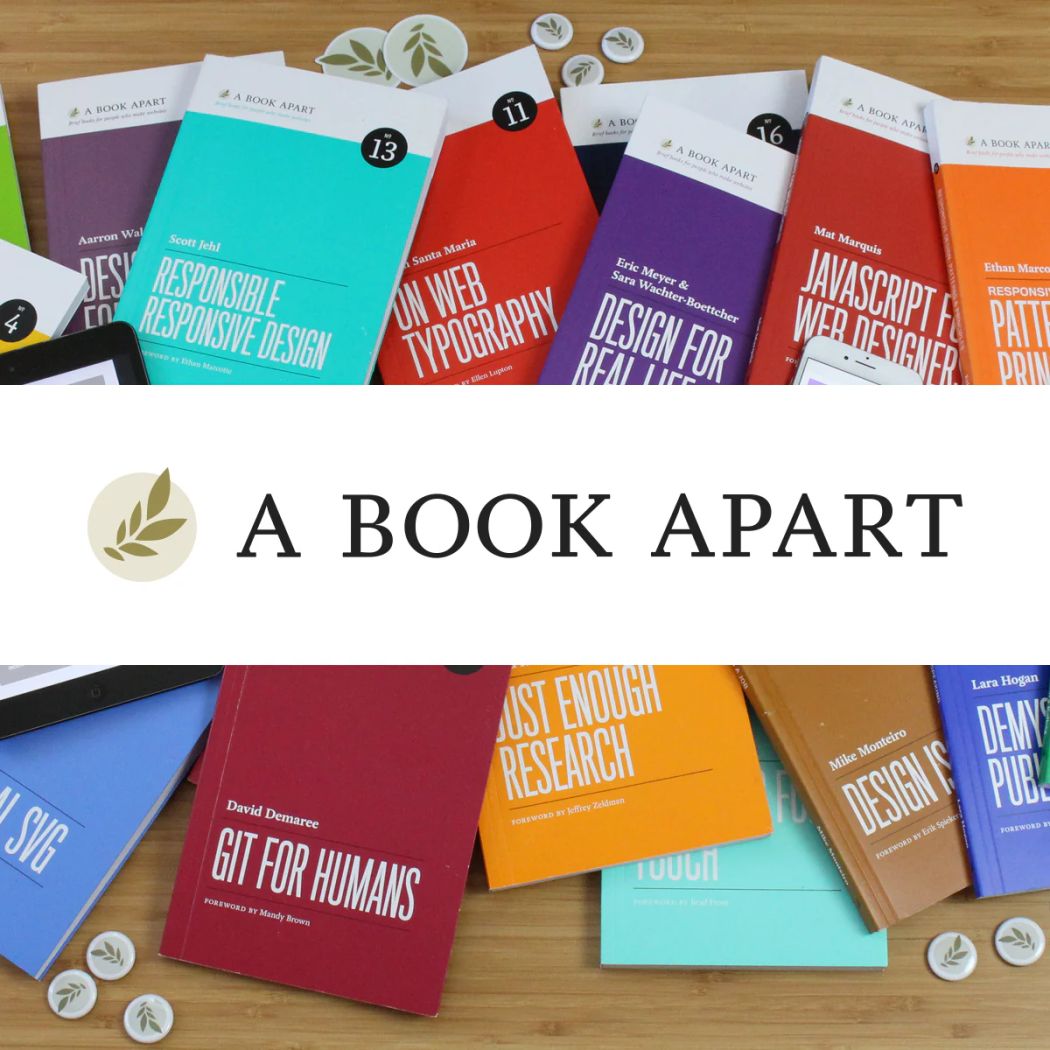
Just bought a bundle from A Book Apart, excellent value - especially as eBooks. I particularly like their condensed focused works.
-
Understanding the global money markets
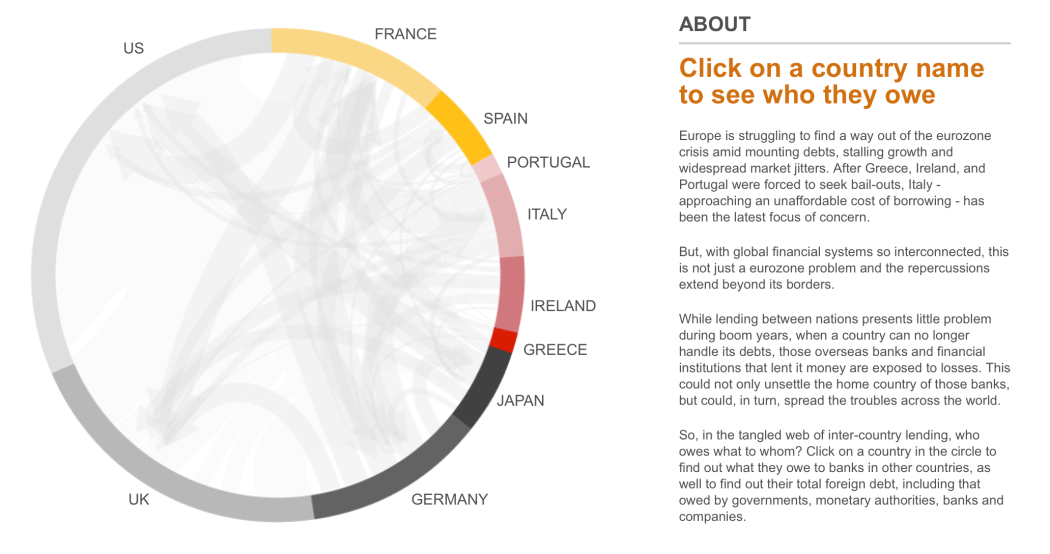
Two striking visualisations — a BBC diagram of European sovereign debt entanglements and an xkcd infographic on the scale of global money — that help make the staggering complexity of the financial system legible.
-
Occupying wallstreet
Tim Bray's sharp summary of why Occupy Wall Street resonates: bankers enriched themselves through what feels like theft, nobody was punished, the bailouts came from public money, and the political system appears structurally incapable of acting against financial elite interests.
-
CNN occupy wall street
Douglas Rushkoff argues that Occupy is not a protest but a prototype — a practical experiment in a different way of living. Its lack of demands is precisely the point: it isn't asking anything of the existing system, which is what makes it both unsettling and genuinely new.
-
Save our inboxes
Chris Anderson's Email Charter offers ten simple rules for reducing the burden email places on everyone — including the principle that short and slow is not rude. Worth adopting and sharing.
-
The future of aviation
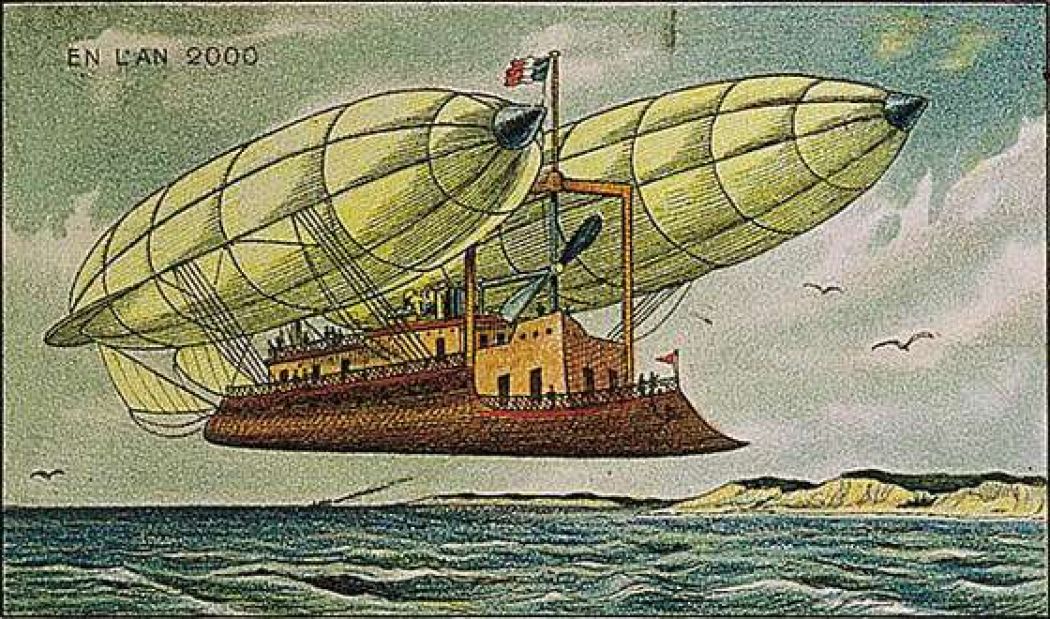
A 1910 exhibition at the French National Library imagined the world of the year 2000 — including long-distance airship travel that now looks less like fantasy and more like a plausible low-carbon future for aviation.
-
New book - cubicle nation
Pamela Slim's Escape from Cubicle Nation finally makes it to the shops — a book long anticipated after following her blog. A guide for anyone considering trading corporate employment for work that better reflects who they are.
-
A very small farm
William Paul Winchester's A Very Small Farm is a memoir of quietly extraordinary simplicity — life on twenty acres, building house and barn, putting in a garden and orchard, taking up beekeeping. It belongs to the tradition of Thoreau's Walden and rewards return visits over the years.
-
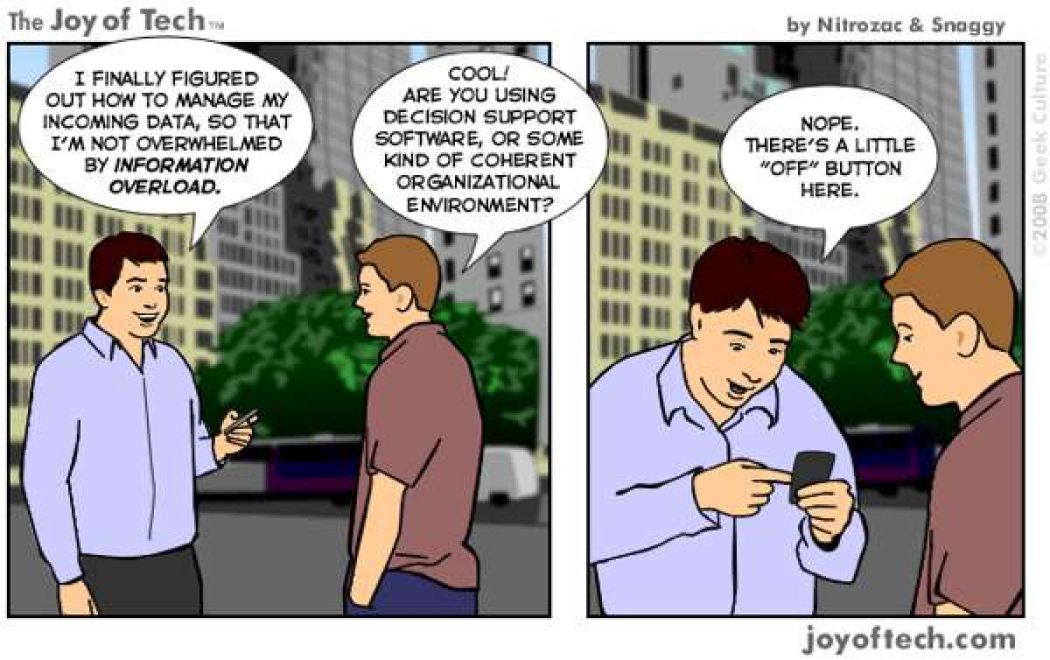
Managing information overload
Saw this great cartoon over at Devon-Technologies which I have been visiting lately as I start to tackle my own information overload.